
If you live in Ocala, The Villages, Leesburg, Daytona Beach, Orlando, or surrounding Central Florida communities, you've probably experienced the effects of hard water. White mineral deposits on faucets, cloudy shower doors, scale buildup inside appliances, and stubborn spots on dishes are common frustrations for Florida homeowners.
For decades, traditional salt-based water softeners have been a popular solution. However, many homeowners are now exploring salt-free water conditioning as an alternative that doesn't require heavy bags of salt or regular regeneration cycles.
But what is the difference between these two technologies, and which option is right for your home?
At Natural Water Solutions, we believe homeowners should understand their water treatment options before investing in a whole-house water filtration system. In this guide, we'll explain how both technologies work, compare their benefits and maintenance requirements, and help you make an informed decision.
Why Is Florida's Water So Hard?
Florida's geology plays a significant role in the hardness of its water. Much of the state's groundwater travels through limestone formations, naturally absorbing minerals such as calcium and magnesium along the way.
These dissolved minerals contribute to what is commonly known as hard water. While hard water is generally not considered a health hazard, it can create several household inconveniences and maintenance concerns.
Common signs of hard water include:
White mineral deposits around faucets and showerheads.
Cloudy glassware and shower doors.
Reduced soap and detergent effectiveness.
Mineral buildup inside water heaters and plumbing.
Stiff or rough-feeling laundry.
Increased cleaning and appliance maintenance.
Homeowners throughout Ocala, The Villages, Leesburg, and other Central Florida communities may experience varying levels of water hardness depending on their water source.
Understanding your home's water hardness is an important first step when choosing between traditional water softening and salt-free water conditioning.
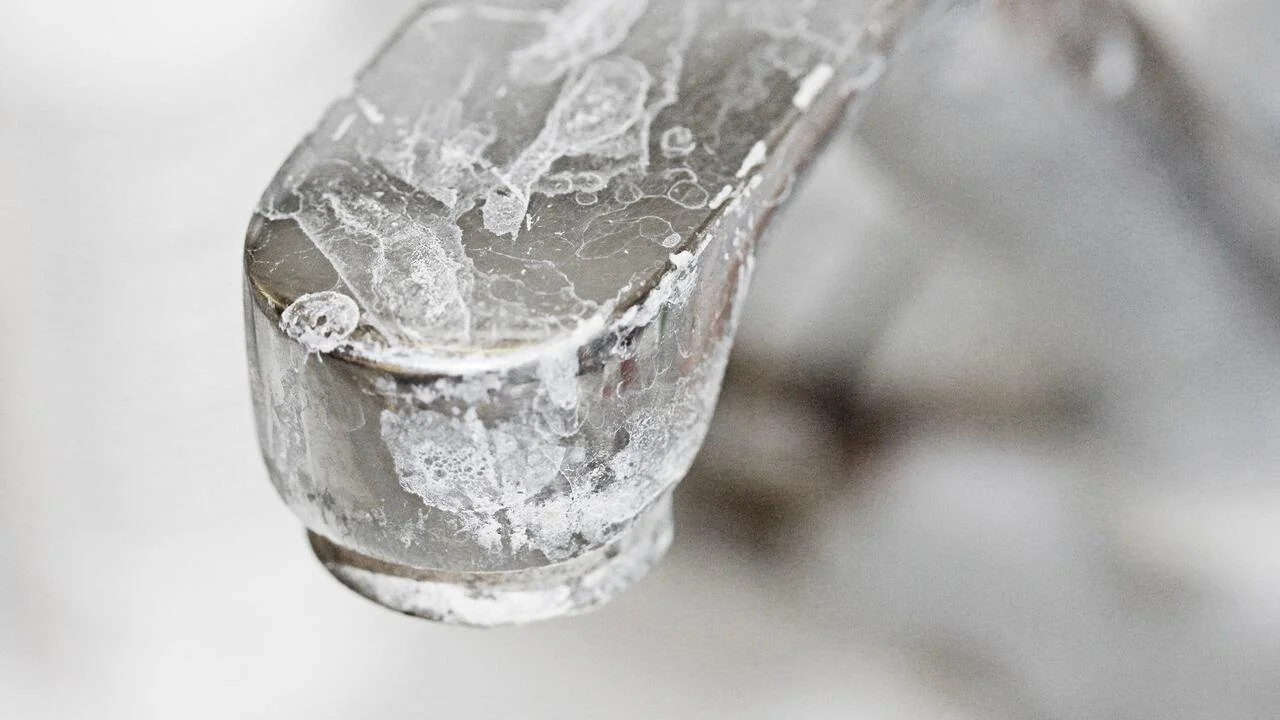
Calcium and mineral scale buildup is a common sign of hard water in Florida homes.
How Do Traditional Salt-Based Water Softeners Work?
Traditional water softeners use a process called ion exchange to remove hardness minerals such as calcium and magnesium from water. As water passes through a tank containing specialized resin beads, hardness minerals are exchanged for sodium or potassium ions.
Over time, the resin becomes saturated and must be regenerated using a salt or potassium chloride solution. This process typically produces wastewater that is discharged through a drain.
Advantages of traditional water softeners:
Reduces measurable water hardness.
Improves soap and detergent effectiveness.
Helps prevent mineral scale buildup.
Provides the characteristic feel of softened water.
Potential disadvantages:
Requires regular salt or potassium replenishment.
Uses additional water during regeneration.
Most conventional automatic systems require electricity.
Requires a regeneration drain.
May increase sodium levels in treated water when sodium chloride is used.
Does not automatically address chlorine, sediment, sulfur odors, or other water quality concerns.
Although traditional water softeners can effectively reduce water hardness, homeowners should understand the ongoing operating costs and maintenance requirements before deciding which water treatment system best meets their needs.
How Does Salt-Free Water Conditioning Work?
Unlike traditional water softeners, salt-free water conditioning does not remove calcium and magnesium from your water. Instead, it helps control the formation and accumulation of mineral scale within your home's plumbing system, fixtures, and appliances.
There are several types of salt-free conditioning technologies available. At Natural Water Solutions, our customized three-stage whole-house filtration systems incorporate polyphosphate scale conditioning alongside fine sediment filtration and specialized filtration media.
This technology helps inhibit mineral scale formation without requiring salt-based regeneration or removing naturally occurring hardness minerals.
By combining water conditioning with whole-house filtration, homeowners can also address other water quality concerns, including chlorine, sediment, unpleasant tastes, sulfur odors, and iron staining, depending on the filtration cartridges selected.
Benefits of Salt-Free Water Conditioning:
No heavy bags of salt to purchase or carry.
No electricity required for our filtration systems.
No regeneration cycles or backwashing wastewater.
Helps reduce mineral scale buildup.
Retains naturally occurring calcium and magnesium.
Fewer ongoing maintenance requirements than conventional salt-based systems.
Compact equipment design.
Can be combined with customized whole-house filtration.
Important Considerations:
Salt-free water conditioning does not reduce measurable water hardness in the same way as a traditional water softener. Water spots may still occur as water evaporates, and filtration cartridges require periodic replacement.
For many Central Florida homeowners, salt-free water conditioning offers a convenient alternative when the primary goal is managing mineral scale while improving overall water quality through filtration.
Salt-Free Water Conditioning vs. Traditional Water Softeners: Key Differences
Choosing between a traditional water softener and a salt-free water conditioning system depends on your home's water quality, maintenance preferences, budget, and overall water treatment goals.
Both technologies can help address mineral scale, but they work differently and offer distinct advantages.
Traditional Salt-Based Water Softener
Removes calcium and magnesium hardness minerals.
Requires regular salt or potassium replenishment.
Typically requires electricity.
Produces wastewater during regeneration.
Requires space for a resin tank and brine tank.
Reduces measurable water hardness.
Additional filtration may be necessary for other water quality concerns.
Natural Water Solutions Salt-Free Filtration and Conditioning
Helps inhibit mineral scale formation.
Retains naturally occurring hardness minerals.
No salt replenishment required.
No electricity required.
No regeneration or backwashing wastewater.
Compact three-stage filtration design.
Periodic filter cartridge replacement.
Customized filtration for additional water quality concerns.
Lifetime housing warranty.
For homeowners who want to remove hardness minerals, a traditional water softener may be the preferred option. For those who want to manage mineral scale while avoiding salt, electricity, and regeneration wastewater, a combined whole-house filtration and salt-free conditioning system may be a practical alternative.
Comparing Installation, Maintenance, and Long-Term Costs
When investing in a whole-house water treatment system, homeowners should consider more than just the initial purchase price. Long-term maintenance, water consumption, electricity, replacement supplies, and equipment servicing can all contribute to the overall cost of ownership.
Traditional Water Softener Operating Costs
Traditional salt-based water softeners can have several recurring expenses, including:
Regular purchases of salt or potassium chloride.
Additional water consumption during regeneration.
Electricity for automatic regeneration controls.
Periodic equipment maintenance and servicing.
Potential resin, valve, and component replacement.
Additional filtration equipment for chlorine, sediment, iron, or sulfur concerns when necessary.
These expenses vary depending on water hardness, household water consumption, equipment efficiency, and local utility rates.
Salt-Free Water Filtration Operating Costs
Natural Water Solutions offers customized cartridge-based whole-house filtration and salt-free water conditioning designed to simplify ongoing maintenance.
Our systems feature:
No recurring salt purchases.
No electricity consumption.
No regeneration or backwashing wastewater.
Periodic replacement of filtration cartridges.
Compact equipment without a separate brine tank.
Lifetime housing warranty.
Filter replacement intervals depend on water quality, household consumption, and the filtration cartridges installed.
By eliminating salt purchases, electrical operation, and regeneration wastewater, our systems can help reduce certain ongoing operating expenses.
Natural Water Solutions also offers professional installation and financing options, making affordable whole-house water filtration more accessible to Central Florida homeowners.
Which Water Treatment System Is Right for Your Florida Home?
Choosing the right water treatment system begins with understanding your home's water quality and identifying the problems you want to address. Not every household needs the same equipment, and a more expensive system does not necessarily provide better results.
For homeowners in Ocala and surrounding Marion County communities, private well water may present challenges such as iron staining, sulfur odors, sediment, and mineral scale buildup.
Residents of The Villages may be looking for a convenient alternative to traditional salt-based water softeners while addressing chlorine taste, unpleasant odors, and hard water deposits.
Homeowners in Leesburg and Lake County may benefit from customized well-water or city-water filtration, depending on their water source and test results.
In Daytona Beach and Orlando, municipal water customers may prioritize reducing chlorine taste and odor while managing mineral scale throughout their homes.
At Natural Water Solutions, we believe water treatment should be customized to your specific needs rather than relying on a one-size-fits-all approach. A proper water quality evaluation can help determine which filtration and conditioning technologies are most appropriate for your home.
Frequently Asked Questions About Salt-Free Water Conditioning and Water Softeners
-
DeBoth technologies serve different purposes. Traditional water softeners remove calcium and magnesium to reduce measurable water hardness. Salt-free water conditioners help control mineral scale formation without removing these naturally occurring minerals. The best option depends on your water quality and treatment goals.scription text goes here
-
DesSalt-free water conditioning can help manage mineral scale buildup in Florida homes. Effectiveness depends on water hardness, chemistry, temperature, household water consumption, and the conditioning technology selected. Proper water testing is recommended before choosing a system.cription text goes here
-
Not necessarily. Because salt-free conditioning retains calcium and magnesium, mineral deposits may remain when water evaporates. However, conditioning can help inhibit scale formation and accumulation on plumbing fixtures and appliances.
-
Yes. Natural Water Solutions systems do not require salt replenishment, electricity, or regeneration cycles. However, filtration cartridges require periodic replacement depending on water quality, household usage, and the cartridges installed.
-
Yes, when properly configured for the water chemistry. Private well water may contain iron, sediment, manganese, or hydrogen sulfide that requires additional treatment. Natural Water Solutions customizes filtration based on the specific conditions of each water source.
-
Yes. Water softening primarily addresses hardness minerals, while whole-house water filtration can address concerns such as chlorine, sediment, iron, and unpleasant odors, depending on the filtration media used. Combining filtration with scale conditioning can address multiple water quality concerns.
-
Natural Water Solutions provides customized whole-house water filtration and salt-free water conditioning throughout Ocala, The Villages, Leesburg, Daytona Beach, Orlando, and surrounding communities. Professional installation, financing options, free water quality consultations, and a lifetime housing warranty are available.
Affordable Whole-House Water Filtration in Central Florida
At Natural Water Solutions, we believe better water shouldn't cost a fortune. Our customized three-stage whole-house water filtration and salt-free water conditioning systems are designed around your home's specific water quality needs.
Whether you're experiencing hard water scale buildup, chlorine odors, iron staining, sediment, or sulfur odors, we can help you explore the right filtration solution for your home.
Why Choose Natural Water Solutions?
Locally owned and independently operated.
Affordable whole-house water filtration.
No salt, electricity, or backwashing required.
Customized well-water and city-water filtration.
Lifetime housing warranty.
Professional installation.
Financing options available.
Free water quality consultations.
We proudly serve Ocala, The Villages, Leesburg, Daytona Beach, Orlando, and surrounding Central Florida communities.
Discover how affordable better water can be. Contact Natural Water Solutions today to schedule your free water quality consultation.